
Making Smarter Business Decisions with Data: How to Identify the Right Metrics and Find Gaps
The Corporations and Govt Data Reality
In today’s competitive landscape, data isn’t just a resource it’s a strategic asset. Companies of all sizes, especially small and mid-sized businesses (SMBs), are increasingly relying on data-driven decision-making to stay agile, reduce risks, and uncover growth opportunities. But the challenge lies in knowing what data to use and how to interpret it to identify gaps.
Why Data-Driven Decisions Matter
Data-driven decisions eliminate guesswork and allow businesses to:
Validate assumptions with evidence.
Predict trends and customer behavior.
Optimize resources for maximum ROI.
Identify inefficiencies before they become costly.
However, not all data is created equal. Collecting too much irrelevant data can lead to analysis paralysis, while missing critical metrics can result in poor decisions. The key is choosing the right data.
Step 1: Define Your Business Goals
Data Quality: The Foundation of AI SuccessOne of the most persistent challenges in state government data analysis is data quality. The principle remains simple: poor-quality data leads to poor outcomes. Inaccurate, outdated, or unstructured data undermines analytics, reporting, and predictive models; regardless of how advanced the tools may be. Data readiness is equally important. Data must be cleaned, standardized, governed, and accessible before it can deliver value. AI is beginning to change how agencies approach this challenge. Modern AI systems are no longer limited to rigid, extractive analysis. They can now assist with:
Before diving into data collection, ask:
What problem are we trying to solve?
What outcome do we expect?
How will success be measured?
For example:
If your goal is improving customer retention, focus on churn rates, customer satisfaction scores, and repeat purchase data.
If your goal is boosting operational efficiency, track process cycle times, error rates, and resource utilization.
Step 2: Identify the Right Data Sources
To find gaps, you need data that reflects current performance vs. desired outcomes. Common sources include:
- Internal Systems: CRM, ERP, HR tools, financial software.
- Customer Feedback: Surveys, NPS scores, social media sentiment.
- Operational Metrics: Production timelines, inventory levels, service response times.
- Market Data: Competitor benchmarks, industry trends.
For SMBs, start with readily available internal data before investing in advanced analytics platforms.
Step 3: Use KPIs to Measure Success
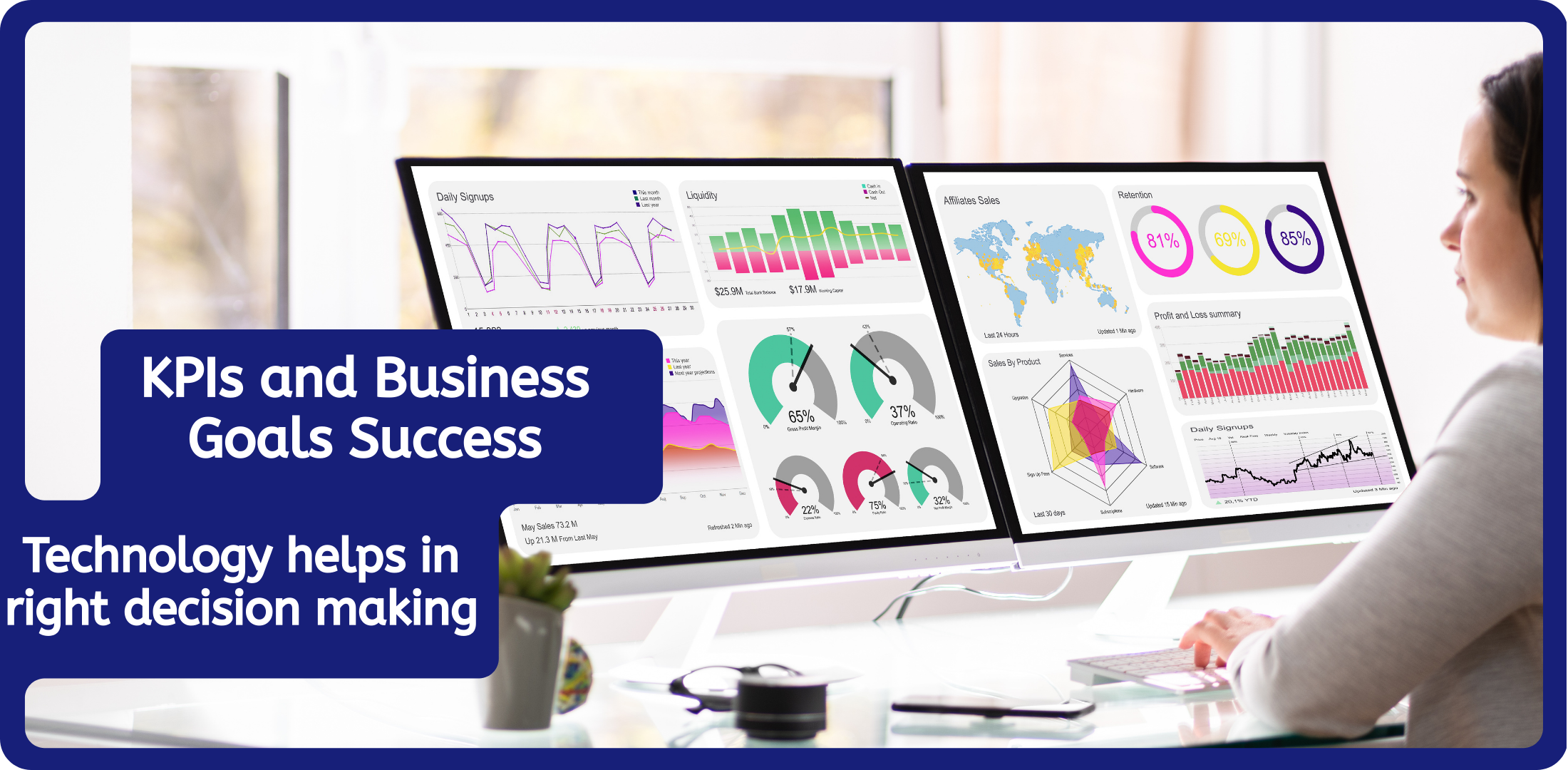
Key Performance Indicators (KPIs) translate raw data into actionable insights. Examples:
- Adoption Rates: Percentage of employees using a new tech solution.
- Productivity Metrics: Tasks completed per hour, error reduction.
- Financial KPIs: ROI, cost savings, revenue growth.
- Customer KPIs: Satisfaction scores, retention rates.
Tracking these KPIs over time helps identify performance gaps—areas where actual results fall short of targets.
Step 4: Analyze Data to Find Gaps
Once you have the right data, look for:
- Trends: Is adoption increasing or stagnating?
- Variances: Which departments lag behind others?
- Root Causes: Why are certain KPIs underperforming?
For example:
- If productivity hasn’t improved after implementing a new tool, data might reveal low training completion rates or integration issues.
- If customer churn is high, feedback data may show dissatisfaction with response times.
Step 5: Turn Insights into Action
Data is only valuable if it drives change. Use insights to:
- Adjust strategies (e.g., more training for low adoption).
- Reallocate resources to high-impact areas.
- Set new targets based on realistic benchmarks.